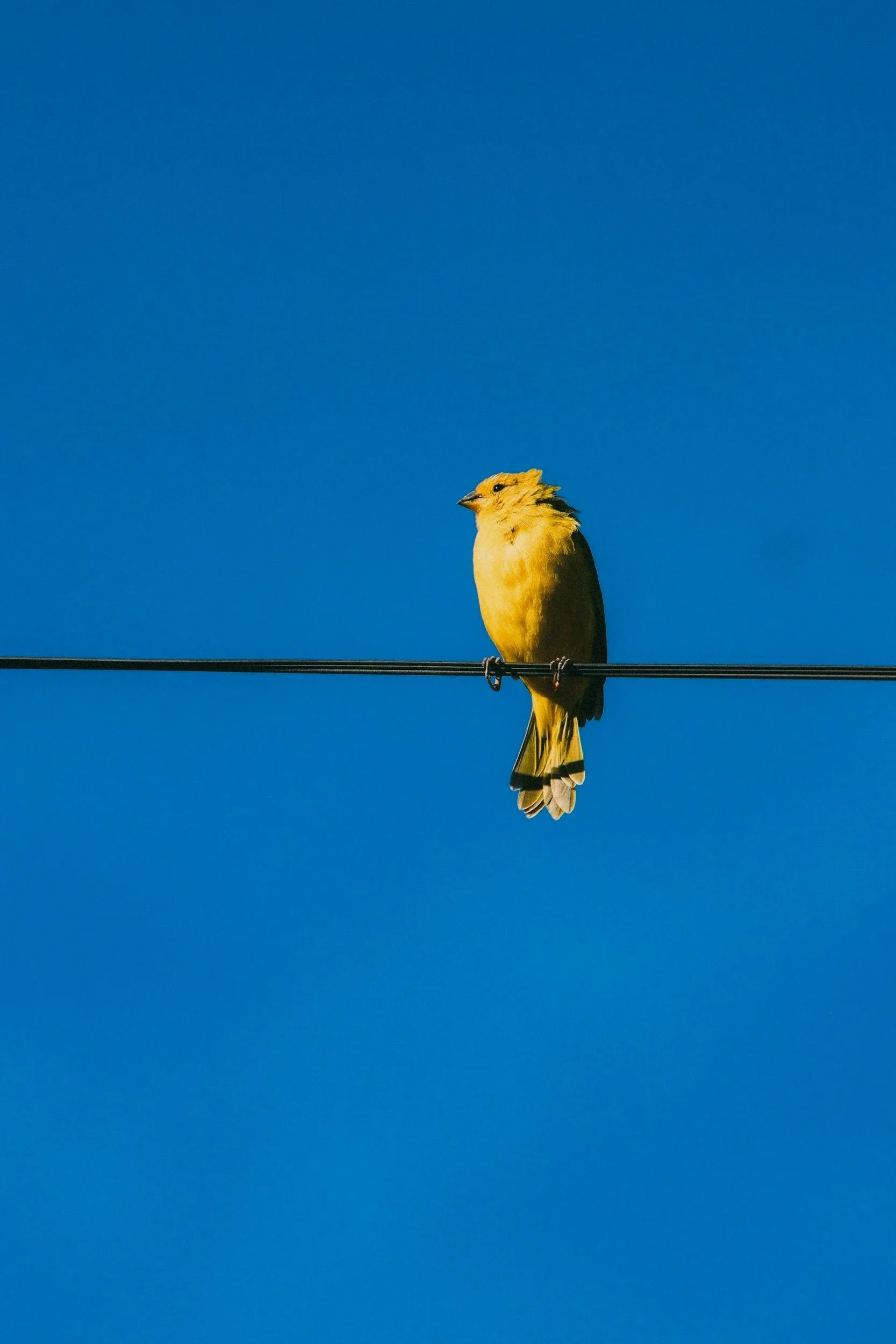
Canary Within
A few years ago, I happened to come across an interview with the playwright Oriza Hirata referencing the custom of using a canary as the primary source of alarm in a coal mine. As he elaborated upon the rich symbolism of the proverbial canary in a coal mine, what stayed with me was, “most ordinary people don't raise their voices loudly,” and to this day his concept profoundly influences my practice.
Time and time again in my practice I witness pain carried by my clients. Be it physical or emotional, pain is the voiceless voice and manifests in many forms: discomfort that has not yet been acknowledged, comfort that has long been forgotten, and tension that has quietly fallen silent.
As a Chinese medical practitioner, my role is to listen to these voices that cannot easily be put into words, bring them to the stage, and give them a place to be seen and heard.
Throughout our corporeal systems exist places imploring us to please don’t ignore their dis-ease.
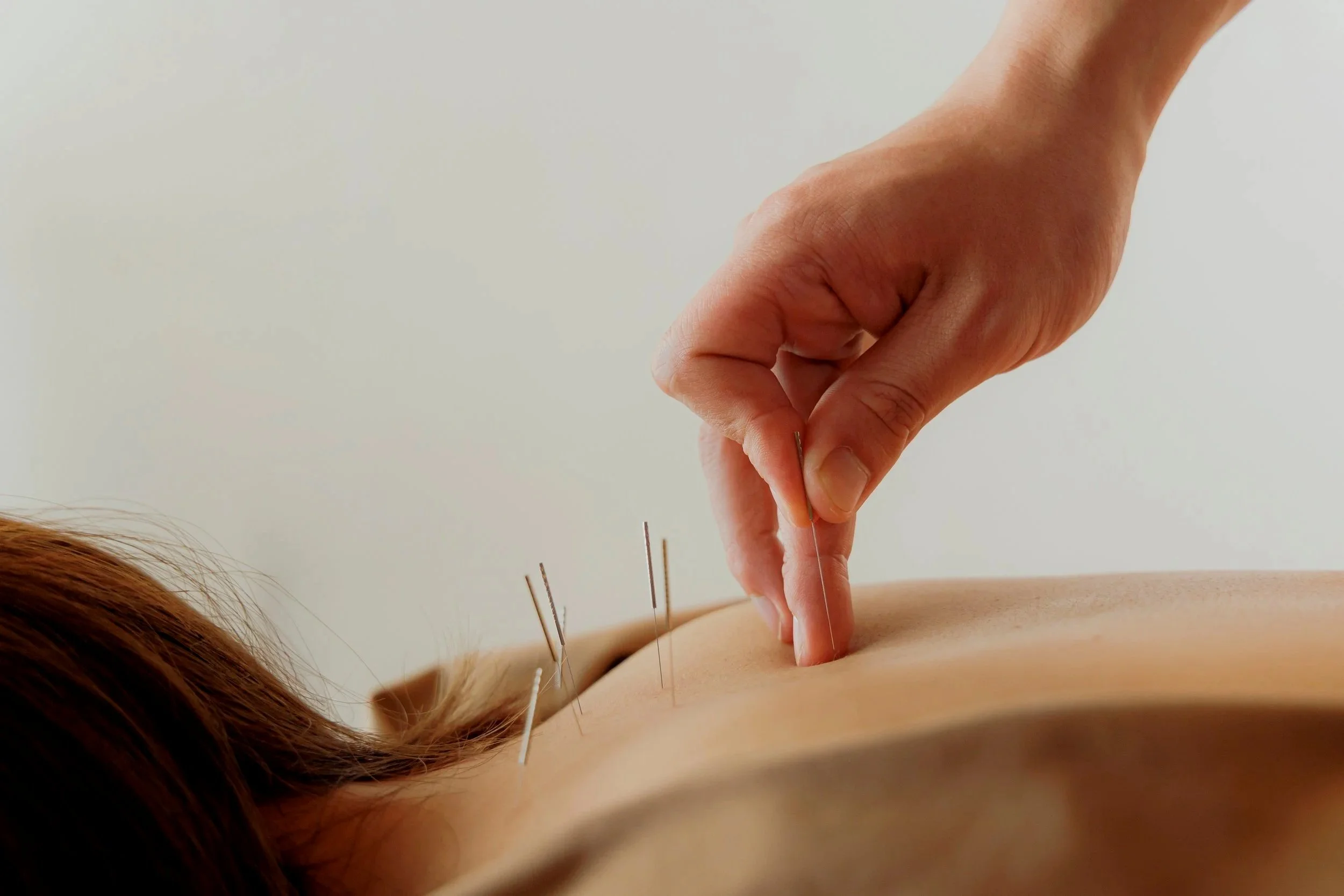
As an acupuncturist and bodyworker,
I consider pain and discomfort to be messages from the body asking for attention and care, and my work is designed to help you engage in conversation with those messages.
We listen to the body's voiceless voice and help translate it back to you, the person, living with these sensations in the body.
Modern life has greatly influenced the way we interact with ourselves. How much time have we lost to distractions pulling attention away from our body’s messages? How have we been influenced to overlook the value of listening to our own bodies? How long have we forgotten our innate ability to connect with ourselves? Perhaps we all need a canary not to warn us of danger, but to remind us of the healing power those voices within our bodies patiently carry while awaiting a response.
In my experience as a practitioner, I have come to realize that no matter how many skills I develop or the variety of procedures I offer, the most important care I can provide for my clients distills into one expression:
Creating a safe space where people can hear the voice of their own bodies.

Dr. Lei Hattori L.Ac., DACM
Born and raised in Tokyo, Japan, Lei grew up in a culture where acupuncture and Eastern herbal medicine are part of everyday healthcare.
Due to her sensitivity to conventional medications, Lei relied on acupuncture and herbal medicine from an early age to address a wide range of conditions including colds, digestive concerns, and stress-related symptoms.
In her 20s, she worked as a model in bustling Tokyo, a career that exposed her to physically and mentally demanding environments. During this time, acupuncture and Eastern medicine became essential tools for maintaining physical balance, supporting her nervous system, and managing chronic stress.
These personal experiences continue to influence Lei’s clinical approach today. Her passion is to support individuals on their healing journey toward sustainable, long-term wellness. Her approach emphasizes prevention, self-regulation, and proactive care while minimizing reliance on medications and surgical interventions.
Bio
2009 Graduated from Sophia University in Tokyo, Japan, with a Law Degree
2017 - 2022 Doctorate of Acupuncture and Chinese Medicine (DACM)
Pacific College of Health and Science, San Diego, CA
2017 - 2019 Trained extensively in clinical assessment and palpation under Mr. Hiro Iwamoto.
2018 - 2023 Completed internships at Owen’s Clinic at UC San Diego Hospital in Hillcrest, the Pacific College Community Clinic, and one of the busiest insurance-based acupuncture clinics in San Diego.
2024 - 2026 Anatomy instructor at ICHOS College, San Diego.
2024 - Present At Aculei, a hidden little studio in South Park, she provides a cozy and comfortable space where people can invest in their holistic health and well-being.